
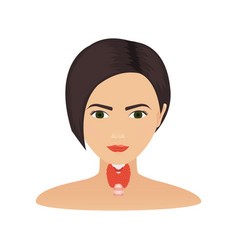
The thyroid gland plays one of the most critical roles in the body by producing hormones—primarily thyroxine (T4) and triiodothyronine (T3)—that regulate:
- Metabolic rate and energy production
- Heart function and cardiovascular health
- Digestive processes
- Brain development and cognitive function
- Bone maintenance and density
One proactive step toward supporting thyroid health is through nutrition. The thyroid relies on specific nutrients to produce, convert, and protect hormones. Because individual needs vary based on diet, lifestyle, absorption, and health status, the most reliable way to assess your levels is with a comprehensive thyroid panel blood test. At HealthOneLabs.com, we offer convenient, lab-based testing—no doctor’s visit required—so you can check key markers like TSH, Free T4, Free T3, and related nutrients to see if they’re in optimal ranges. Here are four essential nutrients that support thyroid function, along with why they matter and food sources to incorporate:
1. Iodine
Iodine is a foundational building block for thyroid hormone synthesis. Without adequate iodine, the thyroid can’t produce enough T4 or T3, potentially leading to hypothyroidism or goiter (enlarged thyroid).
- Why it matters: Deficiency is a leading cause of thyroid issues worldwide, though less common in areas with iodized salt. Excess iodine (e.g., from high-dose supplements or excessive seaweed) can also disrupt function in some people.
- Food sources: Sea vegetables like kelp and nori, saltwater fish (e.g., cod, tuna), shrimp, dairy products, eggs, and iodized salt. Cranberries, strawberries, and potatoes grown in iodine-rich soil can contribute smaller amounts.
- Tip: Aim for balanced intake through diet rather than supplements unless tested deficient—too much can worsen autoimmune thyroid conditions.
2. Selenium
Selenium is vital for converting inactive T4 into active T3 via deiodinase enzymes. It also acts as an antioxidant, protecting the thyroid from oxidative stress and inflammation—especially important in autoimmune thyroid diseases like Hashimoto’s.
- Why it matters: Selenium helps regulate hormone levels, reduces thyroid antibodies in some cases, and supports overall gland health under stress.
- Food sources: Brazil nuts (just 1–2 per day can meet needs), tuna, sardines, halibut, chicken, eggs, sunflower seeds, and legumes.
- Tip: Selenium works synergistically with iodine; deficiencies in either can impair thyroid function.
3. Zinc
Zinc supports thyroid hormone production, receptor function, and the conversion of T4 to T3. It also aids in TSH (thyroid-stimulating hormone) synthesis.
- Why it matters: Low zinc is linked to reduced T3, T4, and TSH levels, and thyroid imbalances can worsen zinc status, creating a cycle. It’s especially relevant for metabolism and immune health.
- Food sources: Oysters (one of the richest sources), beef, shrimp, flaxseeds, pumpkin seeds, chickpeas, and whole grains.
- Tip: Pair zinc-rich foods with vitamin C sources (like citrus) to boost absorption.
- Why it matters: Iron deficiency (common in women due to menstruation or pregnancy) can impair hormone synthesis, mimic or worsen hypothyroid symptoms, and reduce T3/T4 production.
- Food sources: Red meat, poultry, shellfish, beans, lentils, spinach, dark leafy greens, nuts, whole grains, and fortified cereals. Pair plant-based iron with vitamin C for better absorption.
- Tip: Ferritin (stored iron) is often a better indicator than basic iron tests for thyroid impact.
Take Control of Your Thyroid Health:
A nutrient-focused approach—combined with regular testing—can help optimize thyroid function and overall wellness. Start by identifying any gaps through blood work, then tailor your diet accordingly. Avoid self-supplementing high doses without guidance, as excesses (especially of iodine or selenium) can backfire. Explore our thyroid panels and individual nutrient tests at HealthOneLabs.com. Get convenient, accurate results from a local lab and gain the insights needed to feel your best.Important note: This information is for educational purposes only. Always consult your healthcare provider to interpret results and create a personalized plan—especially if you have a diagnosed thyroid condition or are on medication. Here’s to supporting your thyroid and thriving in health!